

After this many months of sobriety, it becomes much more clear what issues were related to doing drugs and which are related to other mental health issues you may need to seek help for. I’ve spent the last seven years researching and understanding alcoholism, addiction, and how people get sober. Additionally, I examine the way mental and physical health as well as our relationships with others impact the reasons people drink and their role in maintaining sobriety long-term. If you’re having the thought that you want to get sober and want to know how to get clean, there’s probably already an underlying motivation. Drinking alcohol can create problems in every area of life, including your physical health, mental health, social life, work-life, and overall wellbeing.
Best Exercises for Recovery

One of the most critical elements of early sobriety is having a strong support network. Recovery is hard to do alone, and having people who encourage and hold you accountable can make all the difference. Regular alcohol or drug consumption, particularly when it escalates into addiction, can lead to significant financial strain. Whether it’s the cost of the substance itself, medical bills, legal fees, or lost wages from missed work, addiction is costly.
Understanding the Concept of Sobriety
- Our emotions are out of whack, our relationships are strained, and there may be a lot of “wreckage” to deal with in our lives.
- Go out and do the things you would normally do when drinking.
- If you’ve been curious about how to stop drinking alcohol and get sober, you might be wondering where to start.
- Whether it’s 30 days, 6 months, or a year of sobriety, take time to acknowledge how far you’ve come and reward yourself for your hard work.
For many people, staying sober opens up increased opportunities for career growth and advancement. With a clear mind and improved focus, individuals can excel in their professional lives and seize new opportunities. In addition, sobriety can boost your self-esteem and self-confidence. By staying sober, you prove to yourself that you have the strength and willpower to overcome addiction, which can greatly improve how you perceive yourself as a recovered alcoholic. This newfound confidence can spill over into other areas of your life, such as your career and personal aspirations.
Change the narrative in your brain.
Embracing sobriety is Sobriety a life-changing decision that offers numerous benefits across all aspects of your life. If you or someone you love is considering this path, Uplift Recovery is ready to support you. Tools like this can help you anticipate challenges and plan your future how you want. I wish I could promise that if you don’t drink for four months or six months or twelve, then you’ll have reached some magical number where all your hopes and dreams come true. I used to be an easy target for abusers and gaslighting.
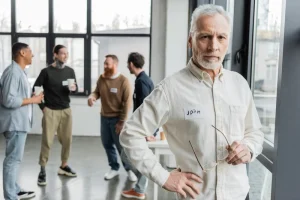
When Does Sobriety Get Easier?
- ” chances are you’re in the early stages of sobriety.
- Gone are the days when seeing a cop car made your heart race, checking if you were over the limit from last night’s drinks.
- In long-term sobriety there are no cravings, you don’t notice your old “triggers” and you start to forget about alcohol altogether.
- Whether it’s the cost of the substance itself, medical bills, legal fees, or lost wages from missed work, addiction is costly.
They want to see behavioral change, and if we don’t provide that, they start to disappear. Indeed, a potential relapse could make Bode’s path even being sober sucks more difficult, and it would also hurt Sharon and Vince so much, especially after having gone through that already when he was a teen. Bode’s obstinance not to confide in others could point in that direction, but Fire Country season 3 might surprise audiences and prompt Bode to finally share his pain with his loved ones. Bode first went to rehab before Riley’s death, but despite his sobriety, Vince implied the accident that killed Riley was brought on by Bode not being sober. Still, nothing he faced in Fire Country seasons 1 and 2 has shaken him as much as his troubles as a firefighter.
- If you or a loved one is ready to take the next steps towards recovery, please contact us today.
- There are certain brain chemicals called excitatory neurotransmitters that will stop doing their job when you drink, which can make you feel sleepy and sedated.
- There is a quiet ferocity that comes with quitting alcohol.
Ready to get help from The Ness Center?
If you look out a longer time, people who drink are six times more likely to have a cardiovascular event within a week compared to people who don’t drink. Alcohol robs your body of nutrients and derails your metabolism. Alcoholic beverages are a source of added sugar and empty calories. Binge drinking can lead to consuming an extra 600 calories or more in a day. Neurotransmitters can rebound beyond their usual activity levels, which can leave you feeling anxious and irritable. Volpicelli explains that this volleying can also lead to low motivation or anxiety and depression.

Choosing sobriety is one of the most powerful decisions you can make for yourself, but it’s not a one-time choice—it’s a lifelong commitment. The journey will have its challenges, but with the right support system, coping strategies, and determination, you can build a fulfilling, sober life that’s free from the grip of addiction. Whether you’re just starting out or have been sober for years, remember that every day is a step toward greater health, happiness, and peace. There are numerous motivations for individuals to stay sober, including improved physical health and overall well-being. Additionally, maintaining sobriety can lead to better relationships with family and friends.
Leave A Comment